
Every July 22, World Brain Day encourages us to think more broadly about what it means to protect our brains. While Alzheimer’s disease and other forms of dementia often dominate the conversation, brain health begins long before memory changes. Our hearing, vision, mobility, nutrition, mood, and overall physical health all contribute to how our brains function throughout our lives.
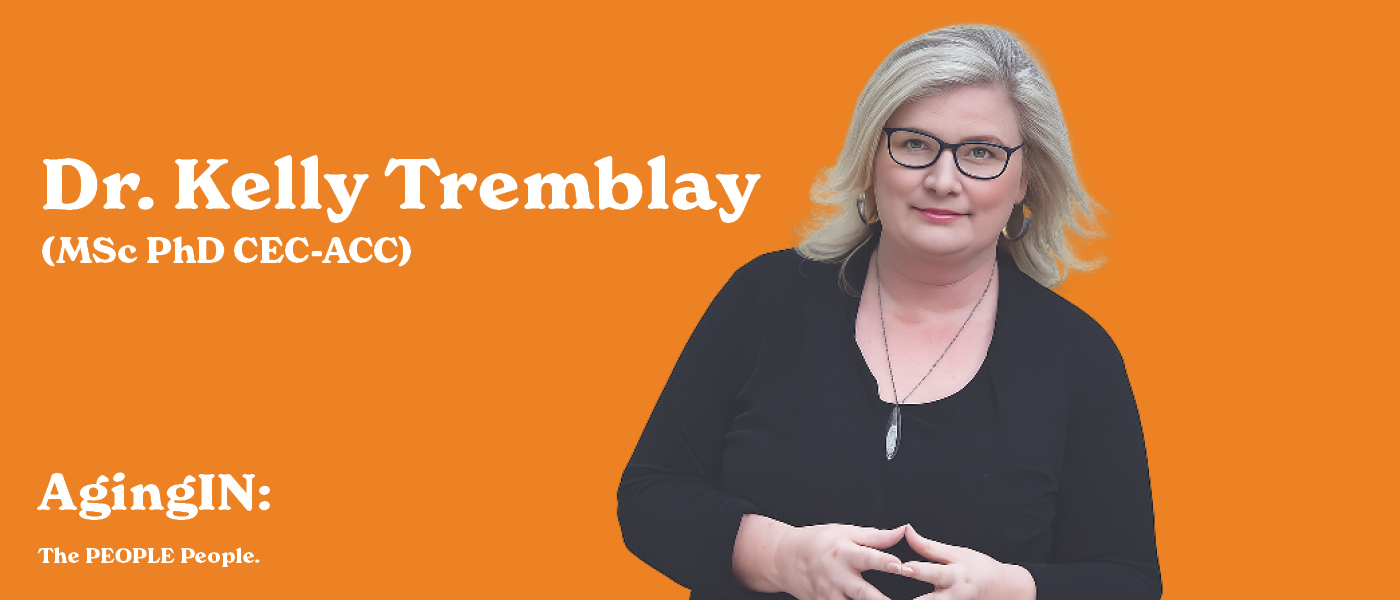
In the latest episode of Brain Bytes, Dr. Kelly Tremblay explores how older adults, caregivers, and community organizations can take practical steps to identify potential health concerns early, creating more opportunities to maintain independence and quality of life.
Brain Health Begins with Whole-Person Health
Brain health is whole-body health. The brain doesn’t function in isolation. It relies on a complex network of systems that continuously influence one another, from circulation and metabolism to sleep, nutrition, and movement.
By age 80, many adults are managing three to six chronic health conditions simultaneously. Hearing loss, vision impairment, poor nutrition, depression, balance problems, and cognitive decline often occur together, and changes in one area can affect many others.
For example:
● Untreated hearing and vision loss have been linked to an increased risk of cognitive decline and dementia.
● Poor nutrition can contribute to muscle loss, frailty, and reduced bone density.
● Reduced muscle tone and strength create mobility challenges, which in turn increase the risk of falls, leading to traumatic brain injuries and loss of independence.
● Depression can reduce social engagement, physical activity, and overall quality of life.
Viewing these conditions together, rather than treating each one separately, provides a more complete picture of healthy aging and creates opportunities for earlier intervention.
Early Screening Can Make a Difference
One of the encouraging messages from Dr. Tremblay’s conversation is that supporting brain health doesn’t require expensive technology or specialized medical training.
The World Health Organization (WHO) offers free, evidence-based screening tools designed specifically for older adults. These resources are:
● Free to use
● Available in multiple languages
● Easy to navigate without medical training
● Accessible on smartphones and other devices
● Based on peer-reviewed scientific research
Individuals, caregivers, community organizations, and local health clinics can use these tools to screen for changes in hearing, vision, nutrition, mobility, mood, and cognitive health.
Early identification gives people the opportunity to seek treatment sooner, often improving outcomes and helping preserve independence.
Falls Are a Brain Health Issue
Falls remain one of the biggest threats to healthy aging.
Every year, millions of older adults experience falls, and many suffer serious injuries, including traumatic brain injuries and hip fractures. Recovery can be especially challenging for people already managing multiple chronic conditions.
Fall prevention is an important part of healthy aging, helping protect brain health while preserving independence and quality of life.
Because falls are one of the greatest threats to brain health, prevention matters. Keeping an eye on changes in strength, balance, vision, nutrition, and other factors that increase fall risk can help older adults stay healthier, safer, and more independent.
Focus on Healthspan, Not Just Lifespan
The World Health Organization promotes the concept of healthspan: the number of years we remain healthy, active, and engaged. That goal should extend to everyone, including older adults living in retirement communities and other care settings.
Too often, society assumes that once someone reaches a certain age, especially if they live in a retirement community or receive support, their best years of growth are behind them.
Research tells a different story. People can build strength, improve function, develop new skills, and enhance their well-being throughout life. Assuming decline simply because someone is older is an expression of ageism, and it’s harmful to older adults.
Protecting brain health means creating opportunities for movement, lifelong learning, meaningful relationships, and proactive health practices that help people continue to grow and thrive throughout life.
Take the Next Step
Supporting brain health requires more than awareness. It requires a commitment to putting evidence-based, person-centered practices into action every day.
At AgingIN, we work alongside senior living leaders to advance evidence-based, human-centered practices that improve quality of life, strengthen care teams, and create environments where people can continue to grow, thrive, and live with purpose. Through education, leadership development, and practical implementation strategies, we help communities turn research into meaningful action.
For organizations looking to strengthen their approach to cognitive health and dementia support, AgingIN’s Best Life Memory Care training program provides practical tools and proven strategies to help teams create more engaging, person-directed experiences for people living with dementia.
Whether you’re exploring the World Health Organization’s Integrated Care for Older People (COPE) framework or looking to transform your organization’s approach to brain health and aging, the next step is to invest in practices that recognize every person’s capacity for continued growth, dignity, and meaningful living.
Listen to the full conversation with Dr. Kelly Tremblay on Brain Bytes, available on Spotify and Apple Podcasts.