
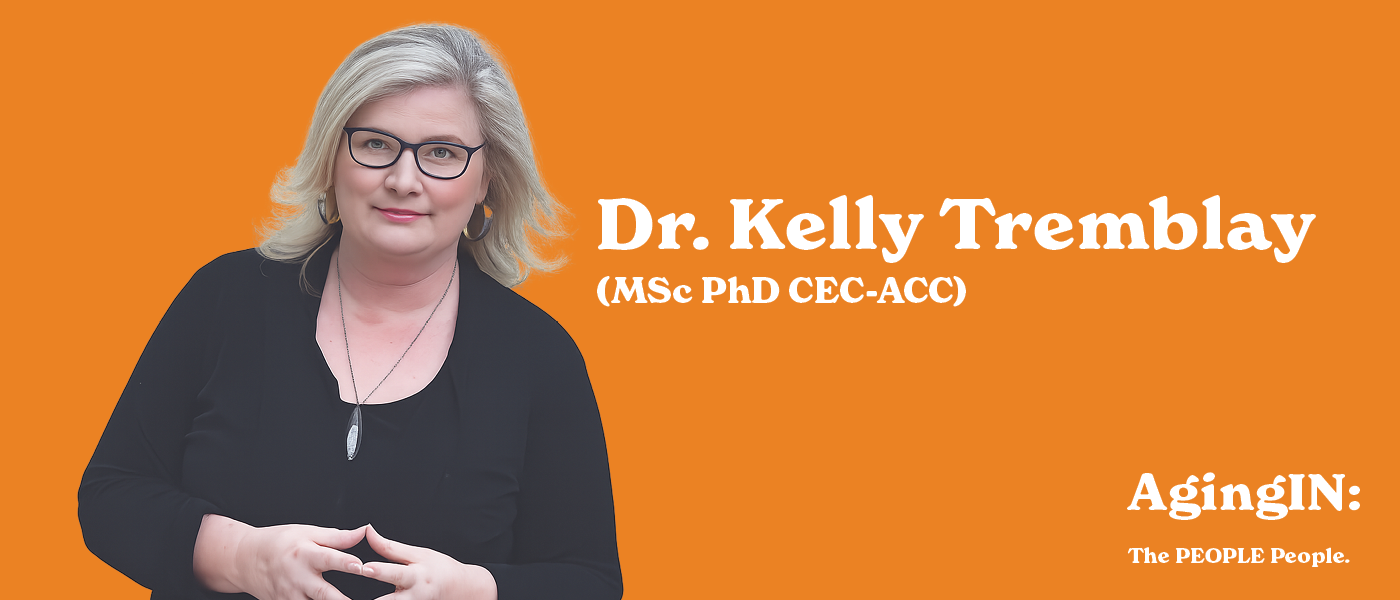
In this episode of Brain Bytes, Dr. Kelly Tremblay explores one of the most overlooked and misunderstood aspects of brain wellness: hearing health. Timed with World Hearing Day on March 3, she emphasized that hearing isn’t just about the ears; it is about the brain connection, independence, and long-term cognitive health. Yet despite its importance, hearing is something many people take for granted until it begins to change.
Hearing Loss: More Common and More Impactful Than Many Realize
Hearing loss affects one in three people over age 65, making it one of the leading causes of years lived with disability. However, contrary to popular belief, hearing loss is not an automatic part of aging. Lifestyle factors, exposure to loud sounds, untreated infections, and certain medical treatments such as chemotherapy can all contribute to changes in hearing.

The impact goes far beyond needing to turn up the volume. Untreated hearing loss is associated with:
- Reduced stimulation in the brain’s hearing centers
- Changes in the temporal lobe
- Social withdrawal
- Early retirement
- Increased risk of dementia
Like a muscle, the brain depends on use. When it receives less sound input, the structures responsible for processing sound can weaken over time.
Early Signs: What to Pay Attention To
One of the biggest challenges is that hearing changes often happen gradually. Many people do not notice it themselves at first. Dr. Tremblay highlights several signs to watch for:
- Difficulty following conversations
It may feel like others are mumbling, when in reality the brain is receiving less information. - Hyperacusis
Sounds may suddenly feel too loud or uncomfortable. This can be a sign of inner ear damage and changes in how sound is processed. - Tinnitus
Ringing or buzzing in the ears is another common signal that something may be changing in the inner ear.
If any of these sound familiar, it may be time to take a closer look.
Getting a Hearing Test: More Accessible Than You Think
Do you need to see a doctor first? Not always. It can be helpful to rule out medical concerns such as earwax buildup or differences between ears. However, there are multiple ways to check hearing:
- Online hearing screening tools
- Community-based hearing tests
- At-home self-assessments
- Evaluations with an audiologist
AgingIN will be sharing reliable resources to help make these options easier to access.
Do Hearing Aids Help?
Yes, with the right expectations. Hearing aids do not restore natural hearing, but they can:
- Improve communication
- Support participation in daily life
- Strengthen relationships
- Help maintain engagement in work and social settings
They work by making the most of the hearing that remains, even if the experience is not perfect. If hearing aids do not seem helpful, it may be a matter of fit, settings, or exploring additional tools.
Beyond Hearing Aids: Additional Options
There are also other technologies that can make listening easier in specific situations:
- Personal sound amplifiers
- Devices for phones and televisions
- Tools designed for group settings such as restaurants
- Consumer technology such as AirPods for mild hearing changes
These options can complement hearing aids or serve as entry points, depending on individual needs.
Looking Ahead: Hearing and Brain Health
To continue the conversation, AgingIN is hosting a pre-conference session on August 10 in Denver focused on hearing and brain health, featuring Dr. Shelly Chad from the World Health Organization.
This session will explore practical ways to support brain health, hearing wellness, and longevity across communities and everyday life.
A Final Thought
Hearing shapes how people experience conversation, music, and the world around them. It is also a critical part of how the brain stays active and engaged.
Hearing loss is not inevitable. And hearing health is brain health.
Taking steps to protect, test, and understand hearing is one way to support long-term cognitive well-being and stay connected to what matters most.