
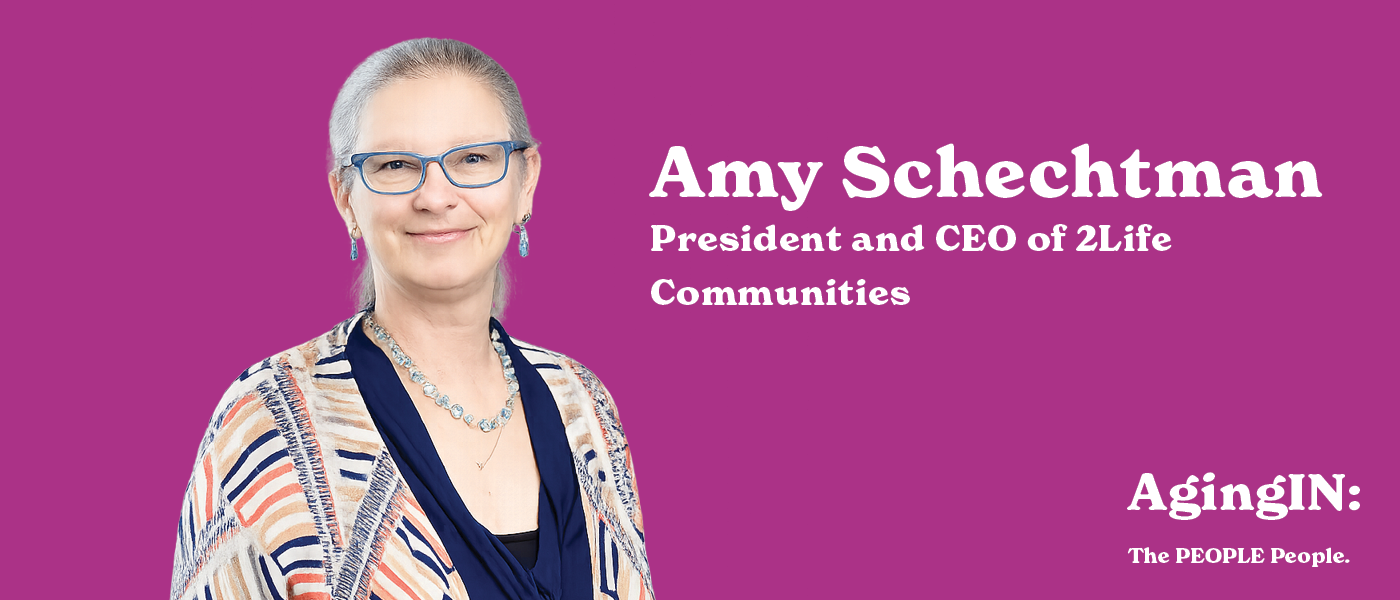
Amy Schechtman has spent her career focused on public service, community development, and housing. As President and CEO of 2Life Communities in Massachusetts, she now leads one of the most innovative nonprofit organizations, working to ensure older adults can age with dignity, connection, and stability.
2Life’s mission centers on a simple idea. Every older adult deserves the opportunity to age well, regardless of income. Through affordable housing, resident services, and advocacy, Schechtman and her team work to make that vision possible.
A Career Rooted in Service
Schechtman traces her commitment to service back to her childhood. Her parents were children of immigrants who emphasized education and the importance of contributing to society. She began volunteering as early as seventh grade. In college in Baltimore, she helped run a tutoring program for inner-city youth and worked with community development corporations and neighborhood organizations. After graduating from MIT, she began her professional career working for Massachusetts Governor Michael Dukakis.
The experience shaped her understanding of public service and the role that government can play in advancing equity and community well-being. Throughout her career, she moved between public sector and nonprofit roles focused on housing, economic development, and public facilities. Those experiences ultimately led her to 2Life Communities in 2010. What she expected to be a four-year role became a long-term commitment.
The Mission of 2Life Communities
2Life began in 1965 with a simple promise from its founders. They would not leave older adults behind. Originally founded as a Jewish organization, 2Life has expanded to serve a broader population while maintaining its core belief that communities should honor and support older adults. Schechtman often frames that responsibility as caring for “our collective mothers and fathers.”
Over time, the organization identified three essential elements that support optimal aging:
- Lifetime affordability
- Social connection
- Help navigating complex health and home care systems
Schechtman believes these factors work together. If older adults must spend their energy worrying about rent, food, or loneliness, they cannot fully participate in community life or share their wisdom with younger generations. 2Life designs its housing and services around these three priorities.
Making Housing Truly Affordable
Housing represents the largest expense for most older adults. In Massachusetts, the challenge is particularly severe because housing costs are high. At 2Life, the median annual income of residents in subsidized housing is about $14,000. That level of income makes traditional housing unaffordable without government support.
To close the gap, 2Life combines several financing tools. These include housing vouchers, the Low-Income Housing Tax Credit program, and additional subsidies that further reduce rent levels. Schechtman explained that the organization often structures financing carefully so that residents pay significantly less than standard tax-credit rents.
Philanthropy also plays an important role. Donations help fund programs and services that government funding does not typically cover. These programs include lifelong learning, arts and culture, wellness activities, and spiritual care. The goal extends beyond housing alone. 2Life aims to create communities where people remain active and engaged.
Building Community Through Resident Services
2Life supports residents through a strong network of social workers and resident service coordinators. The organization aims for roughly one social worker for every 100 residents. These professionals help residents navigate everyday challenges. They assist with benefits enrollment, healthcare coordination, transportation issues, and other needs that arise over time. At the same time, staff organize programs that encourage residents to leave their apartments and participate in community life.
Activities range from arts and music programs to fitness classes and educational events. Schechtman believes communities need a wide range of options so every resident can find a meaningful way to participate. Research shows that loneliness contributes to higher rates of dementia, heart disease, and stroke. By helping residents stay socially connected, 2Life improves quality of life and reduces healthcare costs.
Advocacy Led by Residents
Advocacy plays a central role in 2Life’s work. The organization recently created a Chief of Advocacy role to coordinate resident involvement in policy efforts. Staff members meet with residents across campuses to identify the issues that matter most to them.
Residents then participate directly in advocacy efforts. They meet with legislators, testify at hearings, and share their experiences with policymakers. Schechtman believes their voices are powerful. Residents can describe how affordable housing and community support affect their daily lives in ways that statistics alone cannot convey.
Addressing the “Forgotten Middle”
While 2Life has long focused on subsidized housing, Schechtman recognized another gap in the housing market. Many older adults earn too much to qualify for subsidized housing but cannot afford high-end senior living communities. These middle-income households often have savings tied up in their homes but worry about monthly costs in retirement.
To address that need, 2Life created Opus, a middle-income community designed to keep monthly expenses low. The model includes an upfront payment combined with relatively low monthly fees. Residents also contribute volunteer hours within the community. These contributions support daily operations while strengthening the sense of connection among neighbors.
Opus also partners with nearby organizations and healthcare providers to share amenities and reduce operating costs. Residents have access to fitness facilities, medical services, and home care options designed to remain affordable over time. The result is a highly engaged community where residents lead activities, start clubs, and help shape daily life.
A Vision for the Future
Schechtman believes the demand for affordable senior housing will continue to grow. 2Life currently operates seven campuses and is expanding with additional developments. Yet even as the organization grows, she emphasizes a larger goal. Communities must close the gaps in housing options so every older adult has a place to age in the community. She also encourages people to rethink their views on senior living.
Too often, people wait until a crisis forces them to move. Schechtman believes communities work best when residents arrive earlier, while they can still build friendships and engage in activities. For her, aging in community should be a first choice rather than a last resort. When people have the opportunity to live in supportive environments with strong relationships, they can continue to learn, contribute, and thrive.